Press "Enter" to skip to content
antandbees

How Often to Workout: A Comprehensive Guide to Optimize Your Fitness Journey

Understanding Workout Frequency

The question of how often to workout is common among those seeking to enhance their fitness levels, build muscle, or improve overall health. Determining the right frequency for workouts depends on various factors, including individual goals, fitness levels, and lifestyle constraints. In this guide, we will explore recommended workout frequencies, their benefits, and how to design a routine that suits your specific needs.

Recommended Workout Frequencies

For General Health

For most individuals aiming for general health and well-being, the Centers for Disease Control and Prevention (CDC) recommends at least 150 minutes of moderate-intensity aerobic activity per week. This can be broken down into:

  • 30 minutes per day, five days a week of moderate exercise
  • Or 75 minutes per week of vigorous-intensity exercise, spread over three days

Incorporating strength training exercises at least two days a week is also advisable to support muscle health and bone density. This balanced approach not only promotes fitness but also reduces the risk of chronic diseases.

For Weight Loss

Individuals focused on weight loss may need to increase their workout frequency. Engaging in 300 minutes of moderate-intensity aerobic activity—or 150 minutes of vigorous-intensity activity—per week can significantly aid in creating a caloric deficit. A combination of:

  • Cardio workouts (such as running, cycling, or aerobic classes)
  • Strength training sessions (to build lean muscle and boost metabolism)

is highly effective. Ideally, aim for five to six workout sessions per week to achieve and maintain weight loss.

For Muscle Gain

For those who prioritize muscle gain, the workout frequency may vary based on experience level:

  • Beginners: Three days per week focusing on full-body workouts
  • Intermediate: Four to five days per week, incorporating split routines targeting different muscle groups
  • Advanced: Five to six days per week, allowing for targeted muscle group training, ensuring each group is trained 1-2 times weekly

For Endurance Training

For athletes or fitness enthusiasts training for endurance events, increased frequencies are typically required. A structured approach may involve:

  • 5 to 6 days of training per week, incorporating long runs, tempo workouts, and intervals
  • Balancing workouts with rest days to allow for recovery

Designing Your Workout Routine

To effectively determine how often to workout, consider the following factors:

1. Fitness Goals

Clearly define what you want to achieve. Whether it’s improving cardiovascular health, losing weight, or building muscle, establishing your goals will guide your workout frequency.

2. Experience Level

Novice exercisers may start with shorter, less frequent workouts, gradually increasing in intensity and frequency as their fitness improves. More experienced individuals can sustain a higher frequency.

3. Lifestyle

Incorporate your daily schedule into your workout plan. If you have a busy schedule, consider home workouts with little to no equipment, focusing on effective routines that fit within your available time.

4. Recovery Needs

Listen to your body. Rest is crucial for preventing injuries and allowing muscles to recover. Planning rest days is as important as your workout days.

FAQs: How Often to Workout

How many days a week should I work out for optimal health?

For optimal health, aim for at least 150 minutes of moderate aerobic activity combined with strength training on two or more days per week.

Can I lose weight with fewer workouts?

Yes, but balance is key. A combination of increased workout frequency and a nutritious diet will yield the best results. As emphasized, engaging in about 300 minutes of moderate-intensity exercise can bolster weight loss efforts.

Is it better to work out every day?

While daily workouts can be beneficial for some, rest days are necessary to allow muscles and tissues to recover. Strive for a balanced routine tailored to your fitness level.

How can I stay motivated to stick to my workout routine?

  1. Set realistic fitness goals.
  2. Track your progress.
  3. Change up your routine to keep it exciting.
  4. Work out with friends or join classes for social encouragement.

What types of workouts should I include in my routine?

To optimize fitness, consider a mix of aerobic (like running or cycling), strength training (weights or resistance exercises), flexibility (yoga or stretching), and balance exercises.

By thoughtfully considering how often to workout and carefully designing a plan that incorporates various forms of exercise while allowing for recovery, you’ll set yourself up for success in achieving your fitness goals. For tailored workout plans that fit your preferences, explore options for a no-equipment workout or suitable home workout routines that can adapt to your lifestyle.

Be First to Comment

Leave a Reply

Your email address will not be published. Required fields are marked *

antandbees

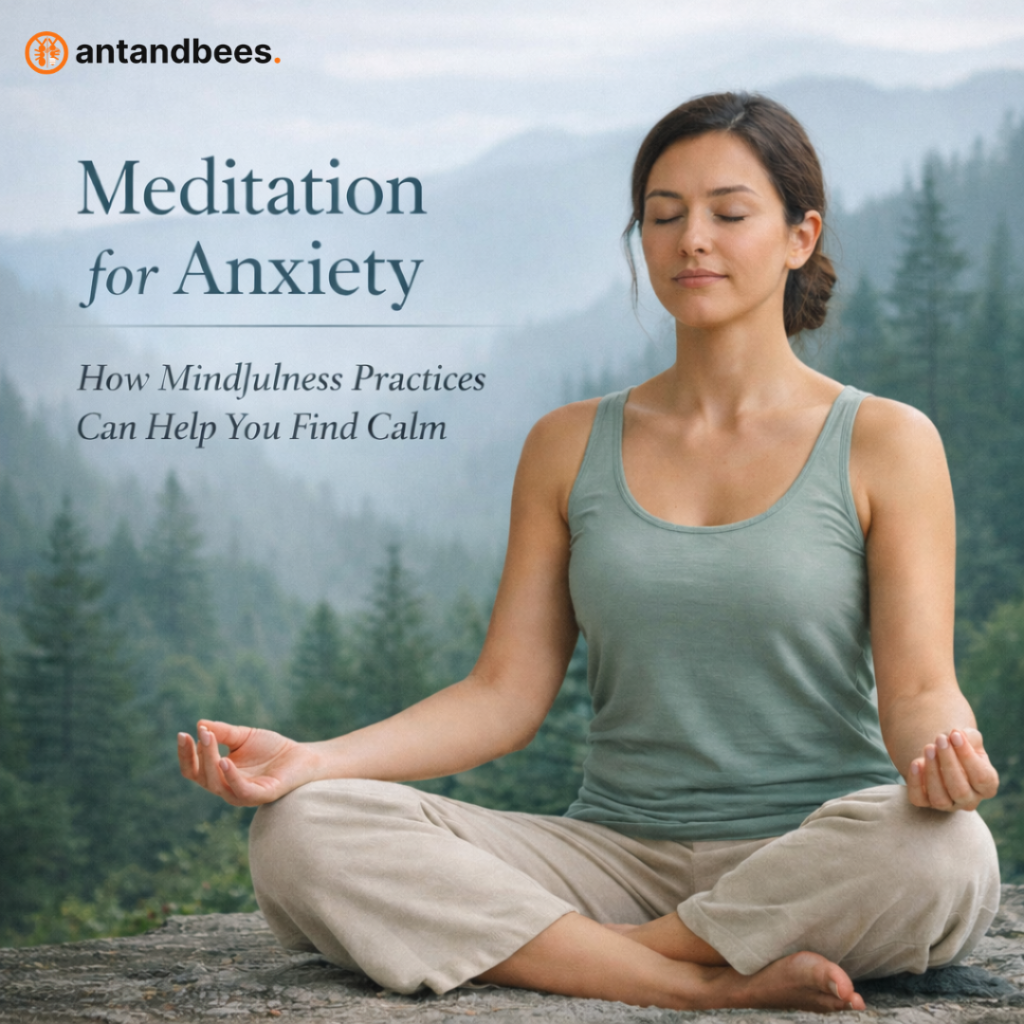
Meditation for Anxiety: How Mindfulness Practices Can Help You Find Calm

Understanding Anxiety: What It Is and How It Affects You

Anxiety is a common mental health condition characterized by persistent feelings of worry, fear, or unease. It can manifest physically, creating symptoms such as increased heart rate, muscle tension, and fatigue. Many people experience anxiety differently, and understanding its signs can help in managing its effects effectively.

For a more in-depth understanding of anxiety symptoms and management strategies, visit our anxiety page.

The Intersection of Anxiety and Meditation

As research continues to unveil the profound benefits of meditation, one area of focus has been its effectiveness in addressing anxiety. Meditation for anxiety is not merely an alternative remedy; it is an evidence-based approach to enhance mental resilience and promote emotional well-being.

How Meditation Works to Alleviate Anxiety

  1. Mindfulness: Meditation encourages mindfulness, a practice of bringing awareness to the present moment. This helps individuals detach from distressing thoughts that fuel anxiety.
  2. Relaxation Response: Regular meditation helps induce the relaxation response, countering the body’s stress response, leading to a reduction in heart rate and breathing rate.
  3. Cognitive Reframing: Meditation cultivates an ability to reframe negative thoughts, easing the burden of anxiety and fostering a more positive mindset.

Types of Meditation Techniques for Anxiety Relief

Engaging in different forms of meditation can enhance your experience and effectiveness. Here are some techniques to consider:

1. Mindfulness Meditation

With mindfulness meditation, practitioners focus their attention on their breath and bodily sensations, promoting a more grounded state of being. This technique can significantly reduce anxiety levels by cultivating a present-focused awareness.

2. Guided Meditation

In guided meditation, you listen to a narrator or instructor who leads you through a sequence of relaxation techniques and visualizations. This can be especially helpful for beginners experiencing anxiety, as it provides a structured approach.

3. Loving-Kindness Meditation

This practice involves sending positive wishes and thoughts toward oneself and others. Loving-kindness meditation has been shown to increase positive emotions, decrease negative feelings, and improve psychological well-being among individuals battling anxiety.

4. Body Scan Meditation

This technique encourages awareness of physical sensations through a systematic scan of the body. It helps to identify areas of tension and facilitates relaxation. Regular practice can help alleviate tension that often accompanies anxiety.

Steps to Start Your Meditation Practice for Anxiety

To integrate meditation into your routine effectively, follow these simple steps:

  1. Choose a Quiet Space: Find a distraction-free environment where you feel comfortable and safe.
  2. Set a Time Limit: Start with short sessions, 5-10 minutes, gradually extending the time as you become more comfortable.
  3. Focus on Your Breath: Pay attention to your breathing patterns, inhaling and exhaling deeply. This helps anchor your mind and enhances relaxation.
  4. Gently Redirect Your Thoughts: If distractions arise, acknowledge them without judgment and return your focus to your breath.
  5. Practice Regularly: Consistency is vital. Aim to meditate at the same time each day for more effective outcomes.

Practicing mindful meditation can enhance your experience and contribute to your overall well-being.

Complementing Meditation with Other Lifestyle Changes

While meditation for anxiety is highly effective, coupling it with other lifestyle adjustments can amplify its benefits:

  • Engage in Regular Physical Activity: Exercise can naturally reduce anxiety levels. Consider incorporating yoga for stress relief to not only improve flexibility but also induce relaxation.
  • Prioritize Sleep: Insufficient sleep can exacerbate anxiety. Make sleep a priority by establishing a consistent bedtime routine.

  • Eat a Balanced Diet: A nutritious diet supports mental health. Focus on consuming whole foods that contribute to overall well-being.
Frequently Asked Questions about Meditation for Anxiety

What are immediate benefits of meditation for anxiety?

Immediate benefits of meditation for anxiety can include a lower heart rate, improved focus, and a sense of calm. Many practitioners report feeling less overwhelmed after short meditation sessions.

How long should I meditate each day for anxiety relief?

Begin with 5-10 minutes daily, gradually increasing the duration as you become more accustomed. Consistency is more important than the length of each session.

Can meditation completely eliminate anxiety?

While meditation is a powerful tool for managing anxiety, it may not eliminate it completely. However, it can significantly reduce anxiety levels and improve your coping mechanisms.

Should I combine meditation with other forms of therapy?

Combining meditation with other therapeutic practices, such as cognitive behavioral therapy (CBT) or medications, can enhance overall treatment effectiveness.

Be First to Comment

Leave a Reply

Your email address will not be published. Required fields are marked *

antandbees

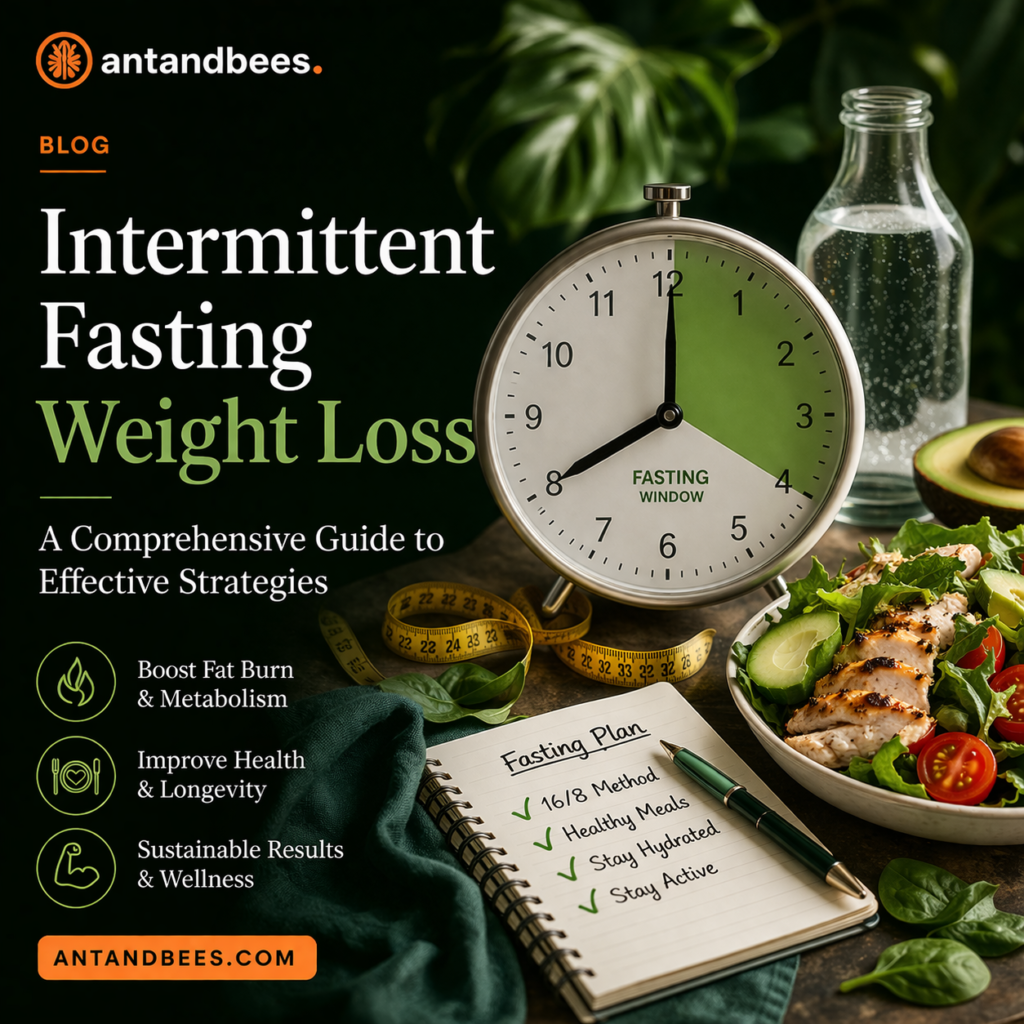
Intermittent Fasting Weight Loss: A Comprehensive Guide to Effective Strategies

Intermittent fasting has become a popular approach for individuals looking to achieve weight loss through structured eating patterns. With its promise of losing weight while simplifying meal planning, it’s important to understand the methods, benefits, and best practices associated with this dietary strategy.

What is Intermittent Fasting?

Intermittent fasting (IF) is an eating pattern that cycles between periods of fasting and eating. Unlike traditional diets that focus on what to eat, intermittent fasting emphasizes when to eat. Common methods include:

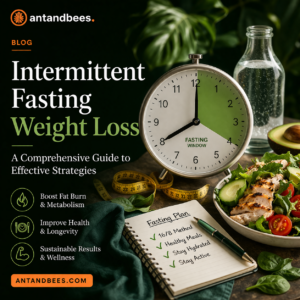
  • 16/8 Method: Fast for 16 hours a day and eat during the remaining 8 hours.
  • 5:2 Diet: Consume only 500-600 calories on two non-consecutive days, eating normally on the other five days.
  • Eat-Stop-Eat: Involves fasting for a full 24 hours once or twice a week.

These methods can promote weight loss by reducing caloric intake and improving metabolic health.

How Does Intermittent Fasting Promote Weight Loss?

The weight loss benefits of intermittent fasting can be attributed to several mechanisms:

1. Decreased Caloric Intake

By restricting the eating window, individuals may naturally consume fewer calories, which leads to weight loss.

2. Enhanced Fat Burning

During fasting periods, the body runs out of its glycogen stores and begins to burn fat for energy. This process can effectively reduce body fat.

3. Improved Insulin Sensitivity

Intermittent fasting may enhance insulin sensitivity, helping the body manage blood sugar levels more effectively. This can lead to better fat loss and reduced risk of type 2 diabetes.

4. Increased Growth Hormone Levels

Fasting can significantly increase the production of growth hormone, which plays a key role in fat loss and muscle gain.

Key Benefits of Intermittent Fasting

Aside from weight loss, intermittent fasting offers several other health benefits:

  • Simplified Meal Planning: By limiting the number of meals consumed, planning and preparation become less complex.
  • Improved Cellular Repair: The fasting process triggers autophagy, a cellular repair process that can enhance longevity and health.
  • Reduced Inflammation: Some studies suggest that intermittent fasting can reduce markers of inflammation, potentially lowering the risk of chronic diseases.

Tips for Successful Intermittent Fasting Weight Loss

Embarking on an intermittent fasting journey requires commitment and strategy. Here are effective tips to enhance your success:

1. Start Slowly

If new to fasting, begin gradually by easing into the preferred method (e.g., start with a 12-hour fast and gradually increase).

2. Stay Hydrated

Drink plenty of water during fasting periods to stay hydrated and curb hunger.

3. Focus on Nutrient-Dense Foods

During eating windows, prioritize whole foods rich in nutrients, such as fruits, vegetables, lean proteins, and healthy fats. This aligns with natural weight loss tips and helps maintain energy levels.

4. Avoid Processed Foods

Limiting processed foods can help manage hunger and cravings, ensuring better adherence to the fasting protocol.

5. Monitor Progress

Keep a food journal or use a tracking app to note your fasting schedule and weight loss progress.

Incorporating these strategies can enhance the effectiveness of intermittent fasting for weight loss. For additional support, consider exploring the best diet for weight loss to complement your fasting routine.

Common Questions About Intermittent Fasting Weight Loss

What can I eat while intermittent fasting?

During eating windows, focus on whole, unprocessed foods. Opt for meals high in fiber, protein, and healthy fats. Explore our guide on weight loss foods to help you make the best choices.

Is intermittent fasting safe for everyone?

Generally, intermittent fasting is safe for most healthy individuals. However, those with medical conditions or specific dietary needs should consult a healthcare professional before starting.

Will I feel hungry while intermittent fasting?

Hunger is common when first starting. However, many individuals report that it becomes more manageable over time as the body adjusts.

How long will it take to see results from intermittent fasting?

Results vary based on individual metabolism and adherence. Some may notice changes within a few weeks, while others may take longer to reap the full benefits.

Conclusion

Be First to Comment

Leave a Reply

Your email address will not be published. Required fields are marked *

antandbees

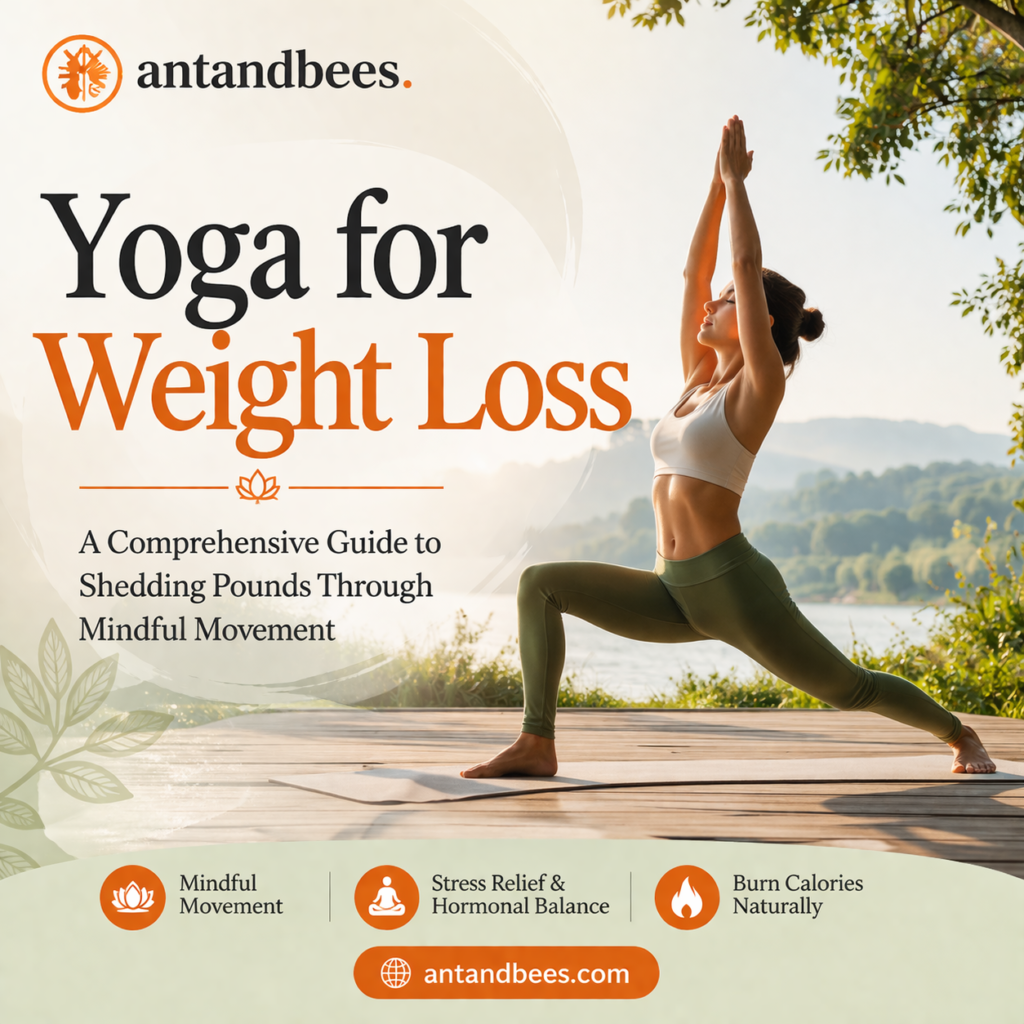
Yoga For Weight Loss: A Comprehensive Guide to Shedding Pounds Through Mindful Movement

Yoga is often associated with relaxation and spiritual growth, but it can also serve as an effective tool for weight loss. Unlike high-intensity workouts that focus solely on burning calories, yoga offers a holistic approach—merging physical movement with mental clarity. This article delves into how yoga can aid in weight loss, the different styles that may benefit your journey, and practical tips to integrate yoga into your daily routine.

Understanding How Yoga Aids Weight Loss

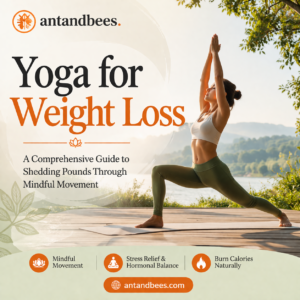
Yoga for weight loss works through a combination of physical exercise, mindfulness, and stress relief. The following key factors contribute to its effectiveness:

1. Increased Physical Activity

Yoga poses improve strength, flexibility, and balance, promoting overall fitness. While it may not burn as many calories as more vigorous exercise, it can still be a significant contributor to weight management when practiced regularly.

2. Enhanced Mindfulness

Practicing yoga encourages mindfulness, making individuals more aware of their body and mind. This awareness can lead to healthier eating habits and greater control over cravings, helping prevent overeating.

3. Stress Relief

High stress levels can lead to emotional eating. Yoga is particularly effective for stress relief, allowing practitioners to reduce anxiety and improve their relationship with food. Techniques such as deep breathing and meditation can help you develop a more positive attitude towards your body and food choices.

Popular Yoga Styles for Weight Loss

Not all yoga styles are created equal; some are more effective for weight loss than others. Here are a few styles to consider:

Hatha Yoga

A gentle introduction to the basic yoga poses, Hatha encompasses a steady pace and foundational postures that cultivate mindfulness and physical awareness. While it may not burn as many calories, it sets the groundwork for more intense practices.

Vinyasa Yoga

Vinyasa incorporates flowing sequences of postures, creating a dynamic workout that raises the heart rate. This style is often referred to as “flow” yoga and can be a great way to engage in a calorie-burning practice while still focusing on breath control.

Ashtanga Yoga

Considered a more rigorous form of yoga, Ashtanga consists of a series of challenging poses performed in a specific order. This method emphasizes strength and stamina, making it highly effective for weight loss.

Power Yoga

Power yoga offers a fitness-based approach to yoga, emphasizing strength and endurance. This vigorous style can be an excellent addition to your weight loss regimen due to its caloric burn potential.

Integrating Yoga into Your Daily Routine

Incorporating yoga into your lifestyle doesn’t require extensive time or space. Here are practical steps to get you started:

  1. Establish a Schedule: Aim for consistent practice—ideally, 3 to 5 times per week. You can opt for shorter sessions focusing on specific areas or longer classes that encompass a full hour or more.

  2. Start with a Morning Routine: A morning yoga session can kickstart your day and metabolism. Incorporate poses that boost energy, like sun salutations or warrior poses.

  3. Set Realistic Goals: Establish clear intentions for your yoga practice. Whether you want to lose weight, improve flexibility, or relieve stress, setting goals can help maintain motivation.

  4. Choose Classes Wisely: Opt for classes that align with your fitness goals. Look for sessions labeled “weight loss,” “flow,” or “power” to maximize your workout efficiency.

  5. Combine with Other Activities: While yoga is beneficial, pairing it with cardio workouts can enhance weight loss outcomes. Consider combining yoga with running, cycling, or swimming.

Frequently Asked Questions About Yoga for Weight Loss

Can beginners lose weight with yoga?

Absolutely! Beginners can start with basic poses and gradually increase intensity. Regular practice will help improve physical fitness and awareness, aiding in weight loss over time.

How long should I practice yoga for weight loss?

Aim for at least 30 minutes of yoga most days of the week. Consistency is key; even shorter sessions can be effective as long as they are regular.

Is yoga enough for weight loss on its own?

While yoga is beneficial for weight loss, combining it with healthy eating habits and other forms of exercise can optimize results. For example, integrating a morning yoga routine with mindful eating can be especially effective.

What are some yoga poses that specifically aid in weight loss?

Certain poses, like:

  • Downward-Facing Dog: Strengthens the entire body and boosts metabolism.
  • Plank Pose: Engages core muscles, aiding in overall toning and calorie burning.
  • Warrior II: Builds leg strength and promotes stability, also igniting calorie burn.

Final Thoughts

Be First to Comment

Leave a Reply

Your email address will not be published. Required fields are marked *

antandbees

Healthy Breakfast Ideas: Nourish Your Body for the Day Ahead

Breakfast is often referred to as the most important meal of the day, and for good reason. Consuming a nutritious breakfast can set the tone for your daily eating habits and influence your energy levels, metabolism, and overall health. With a myriad of options available, choosing the right breakfast can be overwhelming. This article explores various healthy breakfast ideas that are not only delicious but also packed with nutrients.

Nutritional Benefits of Breakfast

Starting your day with a healthy meal has multiple benefits:

  • Increased Energy: A balanced breakfast replenishes your energy reserves, helping you start the day with vigor.
  • Improved Concentration: Ingredients rich in vitamins and minerals boost cognitive function, enhancing focus and productivity.
  • Better Weight Management: Regularly eating a healthy breakfast can aid in maintaining a healthy weight, as it helps regulate hunger hormones.

Top Healthy Breakfast Ideas

Here are some delightful breakfast options that you can easily prepare and enjoy.

1. Overnight Oats

A popular choice among health enthusiasts, overnight oats are both convenient and customizable.

  • Basic Recipe: Combine rolled oats, milk (dairy or plant-based), Greek yogurt, and your choice of sweetener.
  • Add-Ins: Include fruits, nuts, and seeds for added flavor and nutrients. Common choices are berries, bananas, almond slices, and chia seeds.

2. Smoothie Bowls

Smoothie bowls are vibrant, filling, and packed with nutrients.

  • Recipe: Blend your favorite fruits, a handful of greens like spinach, and a base such as yogurt or almond milk.
  • Toppings: Garnish with granola, coconut flakes, and fresh fruit for texture and taste.

3. Avocado Toast

Avocado toast has gained immense popularity due to its health benefits and versatility.

  • Preparation: Smash ripe avocado on whole-grain toast and season with salt, pepper, and a drizzle of olive oil.
  • Variations: Top with poached eggs, tomatoes, feta cheese, or herbs for added flavor.

4. Quinoa Breakfast Bowl

Quinoa isn’t just for lunch or dinner; it makes an excellent breakfast option too.

  • Basic Recipe: Cook quinoa and mix it with almond milk or yogurt.
  • Toppings: Add fresh fruits, nuts, and a sprinkle of cinnamon for a complete meal.

Quick and Easy Breakfast Recipes

For those who are always on the go, here are quick breakfast ideas that don’t compromise on health.

5. Greek Yogurt Parfait

Combining protein and probiotics, Greek yogurt is a powerhouse.

  • Assembly: Layer Greek yogurt with your choice of fruits and granola in a bowl or jar.
  • Customization: Use honey or nuts as toppings for added sweetness and crunch.

6. Nut Butter & Banana Wrap

This quick meal is perfect for busy mornings.

  • Ingredients: Spread your favorite nut butter on a whole wheat tortilla and layer with sliced bananas.
  • Roll it up: This easy-to-eat breakfast is rich in protein and healthy fats.

7. Egg Muffins

These bite-sized goodies are perfect for meal prep.

  • Recipe: Whisk eggs with vegetables and cheese, pour into muffin tins, and bake until set.
  • Storage: Store in the refrigerator for a quick breakfast option throughout the week.

FAQ Section

What should I include in a healthy breakfast?

A well-rounded breakfast should include a mix of protein, healthy fats, and complex carbohydrates. For example, eggs, avocado, and whole-grain bread provide a balanced meal.

How can I make a quick breakfast?

Opt for no-cook options like overnight oats or smoothies, which can be prepared in advance and stored in the fridge.

What are some healthy breakfast ideas for weight loss?

Focus on high-protein, low-carb options like Greek yogurt, egg muffins, and chia seed pudding to help keep you full longer.

Tips for a Successful Breakfast Routine

To create a breakfast routine that works for you:

  • Plan Ahead: Dedicate some time each week to prepare meals in advance.
  • Stay Hydrated: Start your day with a glass of water or herbal tea to rehydrate.
  • Listen to Your Body: Pay attention to your hunger cues; eat when you are hungry for the most satisfying experience.

Be First to Comment

Leave a Reply

Your email address will not be published. Required fields are marked *

antandbees

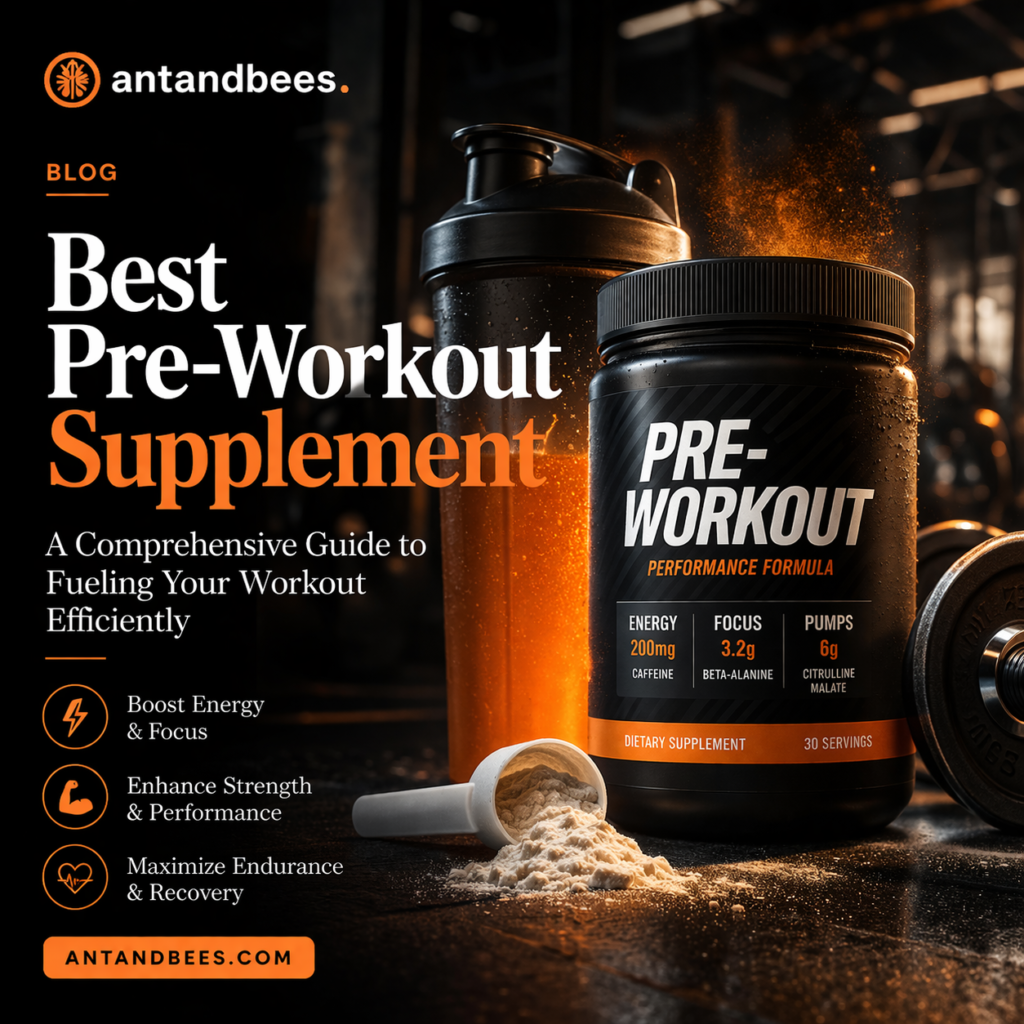
Best Pre Workout Supplement: A Comprehensive Guide to Fueling Your Workout Efficiently

Getting ready for a workout is not just about lacing up your sneakers and hitting the gym. To optimize performance, many athletes and fitness enthusiasts turn to pre workout supplements. But which product truly stands out as the best pre workout supplement? This guide will help you navigate the landscape of pre workout products, discussing their key ingredients, benefits, and how to choose the right one for your fitness goals.

Understanding Pre Workout Supplements

Pre workout supplements are designed to enhance your performance during training sessions. They typically contain a blend of ingredients aimed at boosting energy, improving focus, and increasing endurance. Common components found in these supplements include caffeine, beta-alanine, citrulline malate, BCAAs (Branched-Chain Amino Acids), and creatine.

Key Ingredients and Their Benefits

  1. Caffeine: Known for its stimulant properties, caffeine can help increase alertness and reduce perceived exertion during workouts. Research indicates that it may improve endurance and strength performance.

  2. Beta-Alanine: This amino acid helps buffer lactic acid in muscles, which may enhance performance during high-intensity exercise. It is particularly effective for endurance-based activities.

  3. Citrulline Malate: This compound may improve blood flow and reduce muscle soreness, allowing for better endurance and quicker recovery times.

  4. BCAAs: Supplementing with Branched-Chain Amino Acids can help minimize muscle breakdown during workouts and improve muscle recovery post-exercise.

  5. Creatine: A well-researched performance enhancer, creatine helps increase muscle mass, strength, and recovery speed.

Understanding these ingredients can help you determine the most effective pre workout supplement for your unique fitness regimen.

Choosing the Best Pre Workout Supplement

Selecting the right pre workout supplement involves more than just picking a popular brand. Consider the following factors:

1. Identify Your Goals

Are you aiming to build muscle, improve endurance, or enhance overall performance? Your fitness goals will dictate the type of ingredients you should look for. For example, if you want to increase strength, options featuring creatine may be suitable.

2. Read the Labels

Look for transparency in ingredient lists. The best pre workout supplements will provide clear dosages and avoid proprietary blends that obscure ingredient amounts.

3. Evaluate Your Tolerance

Some individuals may be sensitive to stimulants like caffeine. Start with a lower dose or a stimulant-free version if you are new to pre workout supplements.

4. Review User Feedback

Customer reviews can offer valuable insights into a product’s effectiveness and potential side effects. Learn from others’ experiences to make a more informed decision.

Comparing Popular Options

Consider these well-regarded pre workout supplements to find the best fit for you:

  • C4 Original: Popular for its energy-boosting caffeine content and great flavor varieties. Ideal for beginners and those seeking a moderate stim effect.
  • Optimum Nutrition Gold Standard: Known for its quality ingredients and thorough testing. A balanced option featuring BCAAs and beta-alanine.
  • Legion Pulse: Free from artificial sweeteners and colors, this product offers clinically effective doses of key ingredients, making it a top choice for those seeking a clean supplement.

Pre Workout Supplement FAQs

What is the ideal timing for taking a pre workout supplement?

For maximum effectiveness, it is advisable to take your pre workout supplement about 30 to 45 minutes before your workout. This allows sufficient time for the ingredients to become active in your system.

Can I take pre workout supplements on rest days?

While pre workout supplements are designed for exercise, some individuals choose to take them on rest days for cognitive benefits or to maintain energy levels. However, it is generally unnecessary unless you specifically desire the energy boost.

Are there any side effects associated with pre workout supplements?

Common side effects can include jitteriness, insomnia, or digestive discomfort, often linked to high caffeine content. Always start with a lower dosage and gradually increase if needed.

Can I combine pre workout supplements with other products?

Combining pre workout supplements with protein powders or amino acids can be effective. However, it is important to consider the total caffeine and stimulant intake to avoid excessive consumption.

Incorporating the best pre workout supplement into your regimen can significantly impact your training outcomes. By choosing wisely and aligning your selection with your specific goals, you can maximize your performance and reach new fitness heights.

Be First to Comment

Leave a Reply

Your email address will not be published. Required fields are marked *

antandbees

Lose Belly Fat Fast: Effective Strategies for Quick Results

Understanding Belly Fat and Why It Matters

Belly fat, also known as visceral fat, is not just a cosmetic concern; it poses significant health risks. Excess fat around the abdomen is linked to chronic conditions such as cardiovascular disease, diabetes, and metabolic syndrome. If you’re looking to lose belly fat fast, understanding its underlying causes is crucial. Factors contributing to belly fat include poor diet, lack of physical activity, hormonal changes, and stress levels.

Top Strategies to Lose Belly Fat Fast

Achieving quick results in reducing belly fat requires a multifaceted approach that combines dietary changes, exercise, and lifestyle adjustments. Below are actionable strategies to help you on your journey:

1. Adopt a Healthy Diet

Focus on Whole Foods

Incorporate nutrient-dense foods such as fruits, vegetables, lean proteins, whole grains, and healthy fats. Avoid processed foods high in sugar and saturated fats, which contribute to weight gain.

Increase Protein Intake

High-protein diets can boost metabolism by increasing the number of calories you burn. Protein also helps reduce appetite, making it easier to decrease calorie intake. Excellent sources include chicken, fish, legumes, and dairy products.

2. Implement Intermittent Fasting

Intermittent fasting has gained popularity for its effectiveness in weight loss. By restricting eating to specific time windows, you can reduce overall calorie intake. Common methods include the 16/8 method, where you fast for 16 hours and eat during an 8-hour window.

3. Engage in Regular Physical Activity

Cardio Exercises

Aerobic activities such as running, biking, and swimming can significantly aid in losing belly fat fast. Aim for at least 150 minutes of moderate-intensity aerobic exercise or 75 minutes of vigorous exercise each week.

Strength Training

Building muscle through strength training helps increase your resting metabolic rate, which means you burn more calories even when not exercising. Incorporating weight-lifting sessions two to three times a week can lead to significant fat loss.

4. Prioritize Sleep and Manage Stress

Get Enough Sleep

Lack of sleep can lead to weight gain and increased belly fat. Aim for 7-9 hours of quality sleep each night to help regulate hormones that control appetite and fat storage.

Stress Management

Chronic stress leads to elevated cortisol levels, which is linked to increased belly fat. Practice stress-reduction techniques such as mindfulness, yoga, or meditation to help manage stress effectively.

5. Consider Fat Burner Supplements

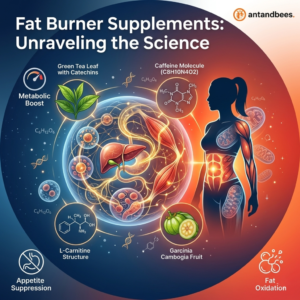
While lifestyle changes are fundamental, some people find that fat burner supplements can complement their weight loss efforts. These supplements may help increase metabolism or improve fat oxidation. For more information on their effectiveness, visit our detailed article on fat burner supplements.

Myths About Losing Belly Fat

There are many misconceptions regarding losing belly fat. Understanding what doesn’t work is as important as knowing what does:

  • Spot Reduction is Possible: Many believe they can target fat loss in specific areas. However, fat loss occurs globally through consistent diet and exercise.
  • Quick Fixes Exist: There are no miracle pills or diets. Sustainable weight loss requires commitment and lifestyle changes.

Frequently Asked Questions

How fast can I lose belly fat?

While individual results may vary, many people experience noticeable reductions in a few weeks when combining a healthy diet with exercise. Aim for a safe and sustainable weight loss of 1-2 pounds per week.

What exercises are best for belly fat?

Combine cardiovascular exercises, such as running and cycling, with strength training exercises that target the core. Planks, crunches, and leg raises can strengthen abdominal muscles.

Can I lose belly fat without exercising?

While diet plays a significant role, regular physical activity is essential for optimal fat loss. It boosts metabolism and supports muscle mass, which are critical for maintaining a healthy weight.

Is there a best diet for reducing belly fat?

A balanced diet that emphasizes whole foods, lean proteins, and healthy fats is effective. Consider approaches like the Mediterranean diet, which focuses on fish, fruits, veggies, and whole grains.

Can fat burner supplements help?

Fat burner supplements can aid in your journey but should not replace a healthy diet and exercise. Always consult with a healthcare professional before starting any new supplement.

Be First to Comment

Leave a Reply

Your email address will not be published. Required fields are marked *

antandbees

Yoga For Back Pain: Effective Techniques to Alleviate Discomfort and Improve Mobility

Understanding Back Pain and Its Causes

Back pain is a common ailment affecting millions worldwide. It can range from mild discomfort to debilitating pain, often impacting daily activities. Understanding the underlying causes of back pain is essential for effective treatment. Some common causes include:

  • Muscle strain due to improper lifting or movements
  • Sedentary lifestyle and lack of flexibility
  • Poor posture while sitting or standing
  • Degenerative conditions such as arthritis
  • Stress and tension leading to muscle tightness

Integrating yoga into your daily routine can provide significant relief and help address these issues at their source.

How Yoga Provides Relief for Back Pain

Yoga for back pain offers numerous benefits for those struggling with discomfort. Here’s why yoga is an effective solution:

  1. Increased Flexibility: Yoga poses stretch the muscles of the back and surrounding areas, increasing overall flexibility.
  2. Strengthening the Core: Core strength is crucial for supporting the spine. Many yoga poses engage core muscles, promoting stability.
  3. Improved Posture: Regular practice helps reinforce proper alignment, which can reduce strain on the back.
  4. Enhanced Blood Circulation: Yoga promotes better blood flow, which aids in the healing of injured tissues.
  5. Reduction in Stress: Through mindful breathing and meditation, yoga helps alleviate stress, which can contribute to muscular tension.

Incorporating yoga into your lifestyle can address both the physical and emotional aspects of back pain.

Essential Yoga Poses for Back Pain Relief

When considering yoga for back pain, certain poses are particularly beneficial. Here’s a list of effective poses to incorporate into your practice:

1. Cat-Cow Stretch

  • Begin on all fours with hands under shoulders and knees under hips.
  • Inhale, arching your back (Cow Pose) and lifting your head.
  • Exhale, rounding your back (Cat Pose) and tucking your chin.
  • Repeat for several breaths to mobilize the spine.

2. Child’s Pose

  • Kneel on the mat, sitting back on your heels.
  • Extend your arms forward and lower your torso towards the floor.
  • Breathe deeply, feeling the stretch along your back.
  • Hold for 30 seconds to a minute.

3. Downward-Facing Dog

  • Start on all fours, then lift your hips towards the ceiling.
  • Straighten your legs and arms, pressing your heels toward the floor.
  • Maintain a neutral head position and relax your neck.
  • Hold for a few breaths.

4. Sphinx Pose

  • Lie on your stomach, placing your forearms on the ground.
  • Lift your head and chest, keeping your pelvis grounded.
  • Engage your back muscles gently and hold this pose for 30 seconds.

5. Seated Forward Bend

  • Sit with legs extended straight.
  • Inhale and lengthen your spine, then exhale as you bend forward from your hips.
  • Reach towards your feet while keeping your back straight.
  • Hold for several breaths, feeling the stretch in your back and hamstrings.

Practicing these poses regularly can lead to significant improvements in back pain and overall wellness.

Developing a Regular Yoga Routine

Creating a consistent yoga routine tailored for back pain can yield positive results. Here are steps for establishing your practice:

  1. Set a Schedule: Dedicate specific times during the week for your yoga practice. Aim for at least three times a week.
  2. Begin with Short Sessions: If you’re new to yoga, start with 20-30 minute sessions and gradually increase duration as you gain confidence and strength.
  3. Incorporate Breathing Techniques: Focus on deep breathing to enhance relaxation and reduce tension.
  4. Stay Mindful: Listen to your body and avoid pushing into pain. Modify poses as necessary.
  5. Consider Guidance: If new to yoga, consider joining a class or following online tutorials to ensure proper alignment and technique.

Establishing a sustainable yoga routine will contribute to long-term relief and overall health.

FAQ: Common Questions About Yoga for Back Pain

Can yoga really help with back pain?

Yes, yoga can provide significant relief for back pain by increasing flexibility, strengthening core muscles, and improving posture.

How often should I practice yoga for back pain?

Aim to practice yoga at least three times a week, starting with short sessions and gradually increasing duration as you progress.

What if I feel pain while practicing yoga?

Listening to your body is crucial. If any pose causes pain, modify it or skip it, and consult a healthcare provider if discomfort persists.

Can yoga replace traditional treatments for back pain?

While yoga can be highly beneficial, it should complement traditional treatments rather than replace them. Always consult with a healthcare professional for chronic pain management.

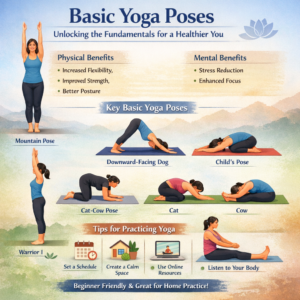
Incorporating yoga into your wellness routine can not only alleviate back pain but also enhance your overall quality of life. For additional guidance on yoga postures, consider exploring our basic yoga poses to unlock the fundamentals of a healthier you. Implementing stress relief techniques, such as those found in our yoga for stress relief section, can further support your journey toward pain-free living.

Be First to Comment

Leave a Reply

Your email address will not be published. Required fields are marked *

antandbees

Daily Protein Requirement: Understand Your Needs for Optimal Health and Performance

What is the Daily Protein Requirement?

The daily protein requirement refers to the amount of protein needed on a daily basis to maintain optimal health, support bodily functions, and promote muscle repair and growth. Protein is a vital macronutrient, serving as a building block for muscles, skin, enzymes, and hormones. Understanding your specific protein needs is crucial for anyone from athletes to those simply looking to maintain a balanced diet.

Factors Influencing Protein Requirements

1. Age and Gender

Protein needs fluctuate based on age and gender. Generally, adult men require about 56 grams of protein per day, while adult women need around 46 grams. However, these figures can vary especially during different life stages such as pregnancy or aging, where increased protein intake may be necessary.

2. Activity Level

Physical activity significantly influences daily protein requirements. Active individuals, especially those involved in strength training or endurance sports, may require up to 1.2 to 2.0 grams of protein per kilogram of body weight.

3. Body Composition Goals

For those looking to lose weight or gain muscle mass, protein needs may increase. A higher protein intake can help preserve muscle during weight loss and promote muscle synthesis for those in a bulking regimen.

4. Overall Health

Chronic illnesses, injuries, or post-surgical recovery can lead to an increased protein requirement. During these times, the body repairs tissues and fights off diseases, requiring more fuel.

How to Calculate Your Daily Protein Requirement

Calculating your daily protein requirement can be a straightforward process. Here’s a simple method you can follow:

  1. Determine your weight in kilograms: To convert pounds to kilograms, divide your weight by 2.2.
  2. Choose your activity multiplier: Select a multiplier based on your activity level:
    • Sedentary: 0.8 grams/kg
    • Lightly active: 1.0 grams/kg
    • Moderately active: 1.2 grams/kg
    • Very active: 1.4 grams/kg
  3. Multiply your weight by the desired grams/kg: This will yield your total protein requirement for the day.

For instance, a 70 kg moderately active woman would need approximately 84 grams of protein daily (70 x 1.2 = 84).

Sources of Protein

High Protein Foods

Integrating high protein foods into your diet is a great way to meet your daily protein requirements effectively. Consider adding:

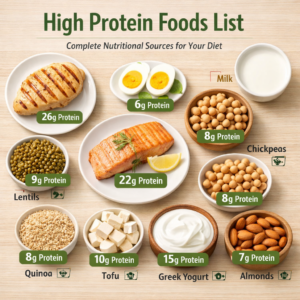
  • Animal-Based Sources: Chicken, beef, fish, eggs, and dairy products like cheese and yogurt are rich in complete protein.
  • Plant-Based Sources: Quinoa, lentils, chickpeas, beans, nuts, and seeds offer excellent protein alternatives, especially for vegetarians or vegans.

For a detailed list of nutritious options, explore our curated collection of high protein foods.

Protein Powders and Supplements

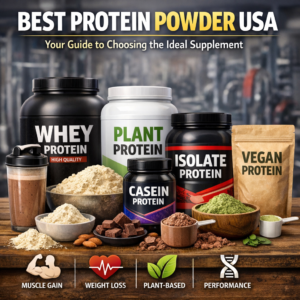
For those who find it challenging to reach their protein goals through food alone, protein powders can serve as a convenient supplement. Whether whey, casein, or plant-based, these can be an effective addition to your regimen. Find guidance on selecting the right option with our article about the best protein powder.

Frequently Asked Questions

What happens if I don’t meet my daily protein requirement?

Failing to meet your protein needs can lead to muscle loss, immune dysfunction, and slower recovery from injuries amongst other health issues.

Can I get enough protein from a plant-based diet?

Yes, it is entirely possible to meet your protein requirements through a well-planned plant-based diet. Focus on a variety of legumes, nuts, seeds, and whole grains to ensure you consume adequate protein.

Should protein be consumed throughout the day?

Distributing protein intake evenly across meals can enhance muscle synthesis and maintain satiety, supporting weight management goals.

Are there risks to consuming too much protein?

Excessive protein intake can lead to increased stress on kidneys, dehydration, and potential nutrient deficiencies if it replaces other essential food groups. It’s important to consult a healthcare provider or a nutritionist if considering a high-protein diet.

Conclusion

Be First to Comment

Leave a Reply

Your email address will not be published. Required fields are marked *

antandbees

Workout For Busy Schedule: Effective Strategies to Stay Fit

Understanding the Challenge of a Busy Schedule

In today’s fast-paced world, finding time to exercise can be a significant challenge. A busy schedule makes it difficult to maintain a consistent workout routine, which can lead to decreased fitness levels and overall health. However, with the right strategies, you can incorporate effective workouts into your limited time frame.

The Importance of Creating a Flexible Workout Plan

To effectively tackle a workout for a busy schedule, the first step is to develop a flexible workout plan. This plan should be designed to accommodate varying time constraints while ensuring you remain active and engaged.

Benefits of a Flexible Workout Plan

  • Adaptability: You can adjust your workouts based on daily demands.
  • Consistency: Frequent adjustments help maintain regular exercise habits.
  • Variety: Provides options to keep your routine interesting and motivating.

Short Workouts That Deliver Results

Short workouts can be incredibly effective when time is limited. Incorporate these options into your routine to maximize effectiveness without requiring extended periods.

High-Intensity Interval Training (HIIT)

HIIT involves short bursts of intense exercise followed by brief rest periods. This method is highly efficient and can be finished in as little as 20-30 minutes.

Benefits of HIIT:

  • Burns calories quickly and boosts metabolism.
  • Can be performed with minimal equipment.
  • Increases cardiovascular strength effectively.

Bodyweight Exercises

Utilizing your body weight for resistance training is an excellent approach when time is short. You can perform these exercises anywhere, making them convenient for busy schedules.

Recommended Bodyweight Exercises:

  • Push-ups
  • Squats
  • Lunges
  • Planks

Incorporating Workouts Into Your Daily Routine

Finding opportunities to integrate exercise into your daily life can significantly enhance your fitness levels without requiring extra time.

Effective Strategies:

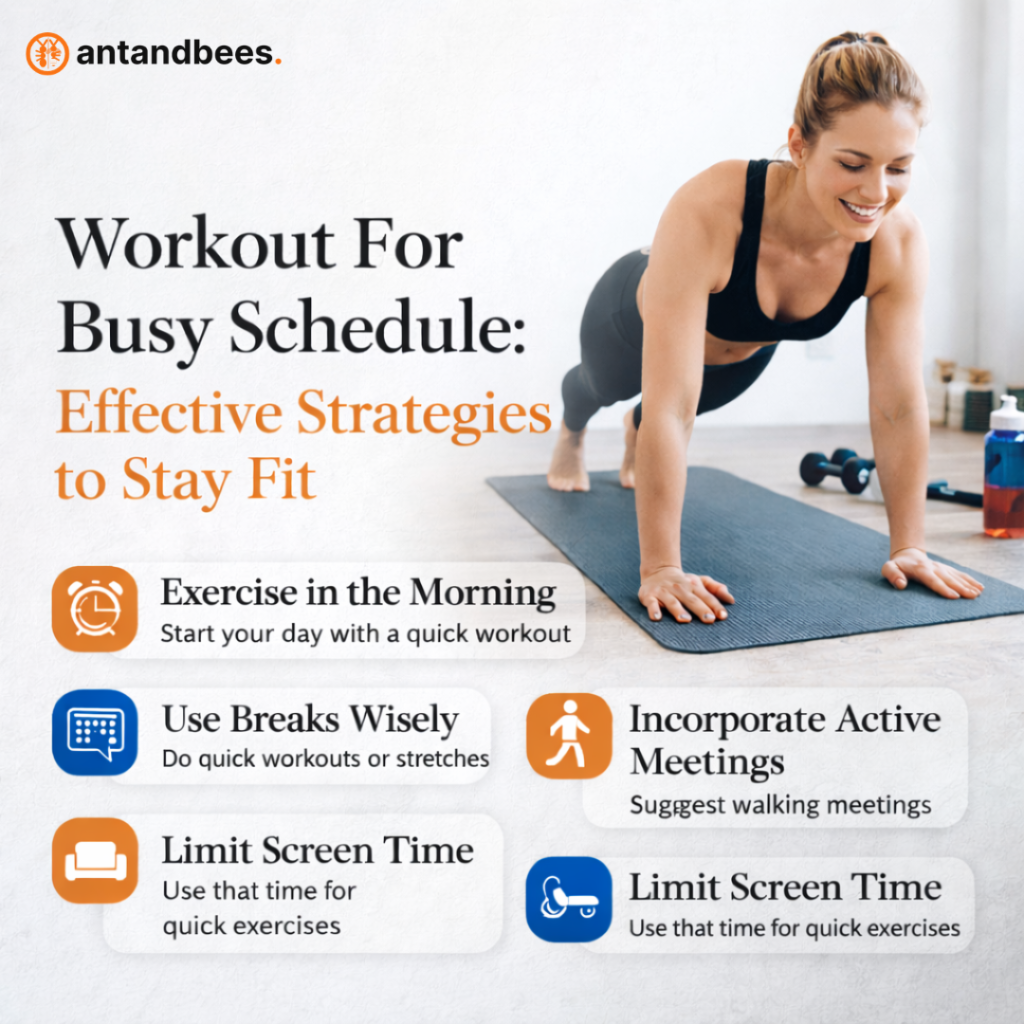
  1. Exercise in the Morning: Start your day with a quick workout session to boost energy.
  2. Use Breaks Wisely: Utilize work breaks to do quick workout sessions or stretches.
  3. Incorporate Active Meetings: Suggest walking meetings to combine work with physical activity.
  4. Limit Screen Time: Instead of sitting on the couch, use that time to do quick exercises.

Example of a Quick Workout Routine for Your Busy Day

  • Morning: 10 minutes of HIIT
  • Lunch Break: 5 minutes of bodyweight exercises or a brisk walk
  • Evening: 10 minutes of stretching or yoga for stress relief

Choosing the Right Equipment

Even with a busy schedule, having the right equipment can make your workouts more efficient. Consider the following options that are adaptable and easy to store.

Suggestions for Equipment:

  • Resistance Bands: Great for strength training without bulky weights.
  • Dumbbells: Versatile tools for various workouts, easy to incorporate into a home workout routine.
  • Yoga Mat: Essential for yoga practice and floor exercises.

For those who prefer simplicity, a no equipment workout can be just as effective, focusing on exercises that utilize body weight for resistance.

Nutrition: The Backbone of Fitness

A busy lifestyle often leads to neglecting nutritional needs, which can hinder workout performance.

Essential Nutrition Tips:

  • Meal Prep: Prepare meals in advance to maintain healthy eating habits.
  • Healthy Snacking: Keep nutritious snacks at hand to fuel workouts and curb cravings.
  • Hydration: Drink plenty of water to support overall performance and recovery.

To complement your workouts, consider exploring a weight loss plan tailored to your lifestyle, which can be as critical as your exercise routine.

Frequently Asked Questions

What is the best workout for a busy schedule?

Short, high-intensity workouts like HIIT and bodyweight exercises are typically the most effective for those with busy schedules.

Can I get fit working out only 20 minutes a day?

Yes, 20 minutes of focused, high-intensity exercise can be enough to see fitness improvements.

How can I stick to my workout routine when busy?

Creating a schedule and setting realistic goals can help. The incorporation of physical activity into everyday tasks also supports adherence to fitness.

Are there any quick workouts I can do at work?

Yes! Simple exercises such as desk push-ups, chair dips, and stretching can be performed during break times or between tasks.

Be First to Comment

Leave a Reply

Your email address will not be published. Required fields are marked *